 English

 Home
Home Hotels
  Car Rental
 Rewards
 Travel Guide
Best 10 Fountains in Paris

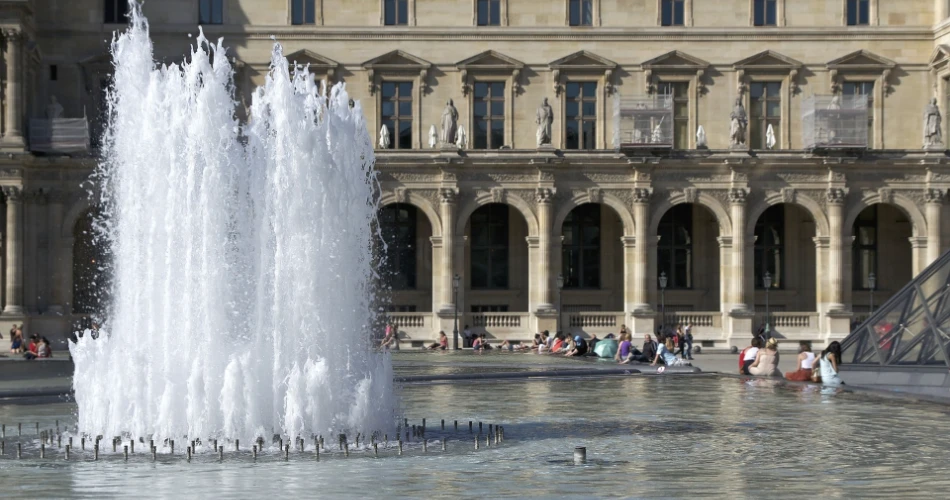
Where Paris Dances with Water: Dive into the City’s 10 Most Captivating Fountains!
Although this city is known for its romance, art, culture, and croissants, very few people know that Paris's fountains are undiscovered treasures that play an important role in the city's history and give its famous streets a charming and unique touch. Fountains in Paris range from majestic waterfalls to quirky sprays, and artsy showpieces, that narrate tales of emperors, artists, and a city that doesn't mind creating a stir. Whether your goal is to cool yourself, take a picture, or just admire water doing its thing in the most French way possible, these top ten fountains offer a glimpse into the fun and sophisticated side of Paris which many people choose to ignore.
Saint Michel Fontaine
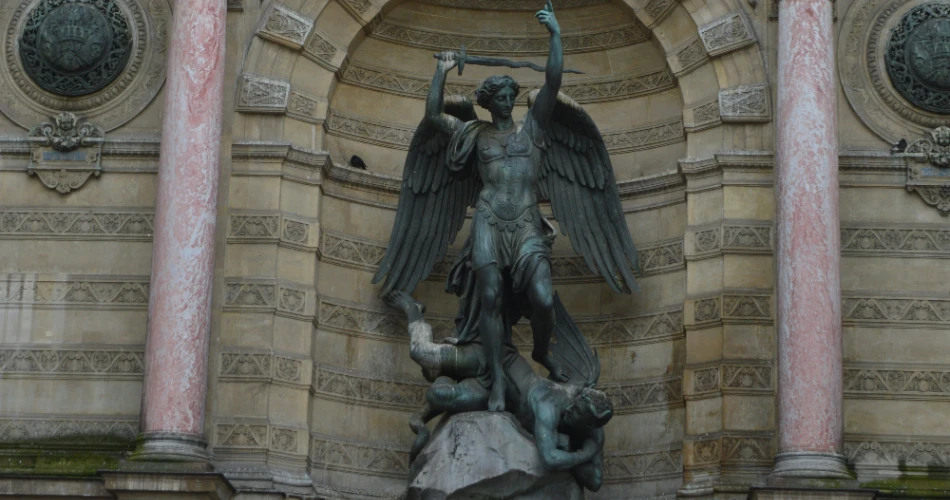
The Fontaine Saint-Michel has been a historic landmark since 1926 and adds a stately presence to the busy Place Saint-Michel. This magnificent fountain in Paris was constructed in the late 1800s and is decorated with elaborate sculptures, such as two winged dragons and the main image of Saint Michael defeating the devil. It is a striking sight for tourists, especially for those who like sculptures with a meaningful background, and it is situated along the main road. In addition to its beauty, the area is a bustling place to experience the spirit of busy Parisian life because it hosts regular street acts, performances, and music.
Place des Vosges
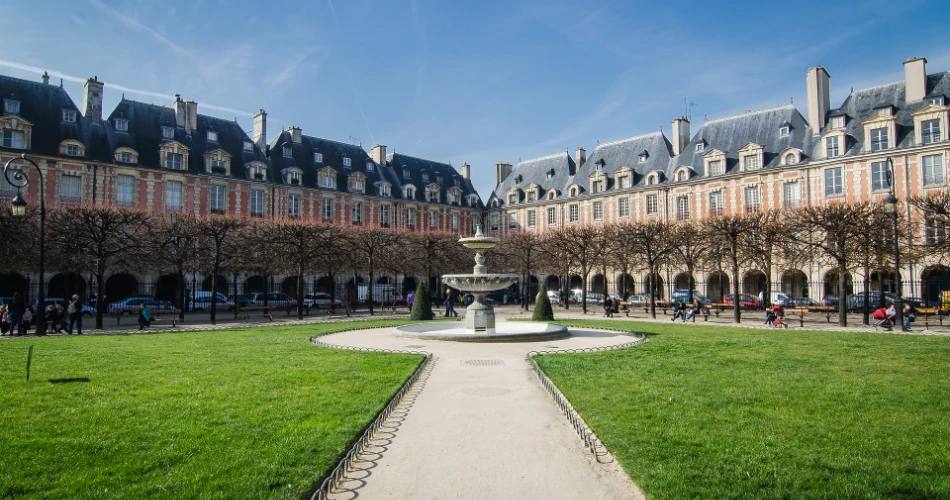
When the fountain is located in the oldest neighborhood in the city, there is no doubt that it has made its name in the list of top fountains in Paris! Henri IV ordered the construction of Paris's oldest planned plaza, Place des Vosges in the year 1602, when it was still known as Place Royale. This graceful square, which is surrounded by old buildings was once a favorite of French nobility but now draws both tourists and stylish Parisians. Its four quaint fountains, one at each corner, are one of the highlights. This fountain successfully combines historical significance with contemporary attractiveness, making it the perfect location for summer picnics and year-round walks with your loved ones.
Stravinsky Fountains
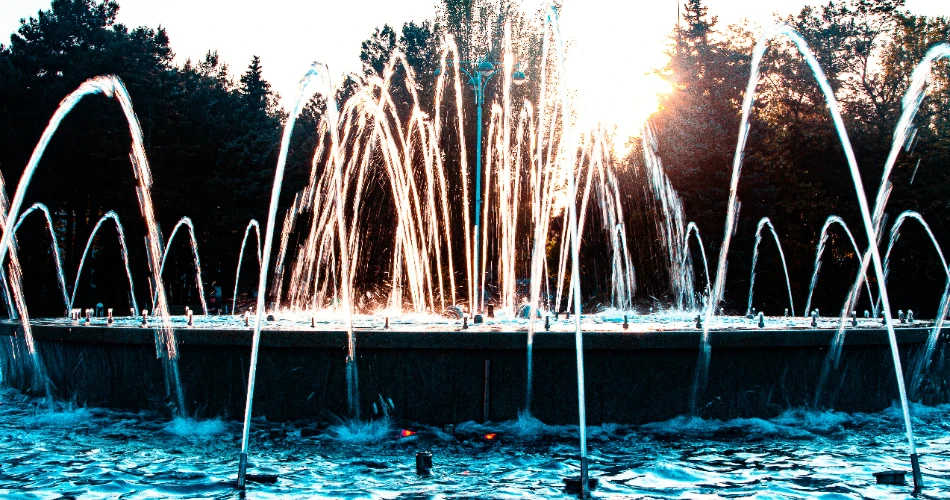
The composition of the well-known Igor Stravinsky served as the inspiration for this unusual public fountain known as the Stravinsky Fountain. The interesting design consists of a mermaid figure with water gushing from her breasts, a treble clef, and a pair of large red lips. The fountain's vivid hues provide a striking yet alluring contrast to its distinctly more European surroundings. To symbolize how nature has taken over, its sculptors have requested that the fountain be left alone and untouched, and let the moss grow around it. This fountain is undoubtedly quite deep, so be careful while checking it out.
Fontaine Saint Sulpice
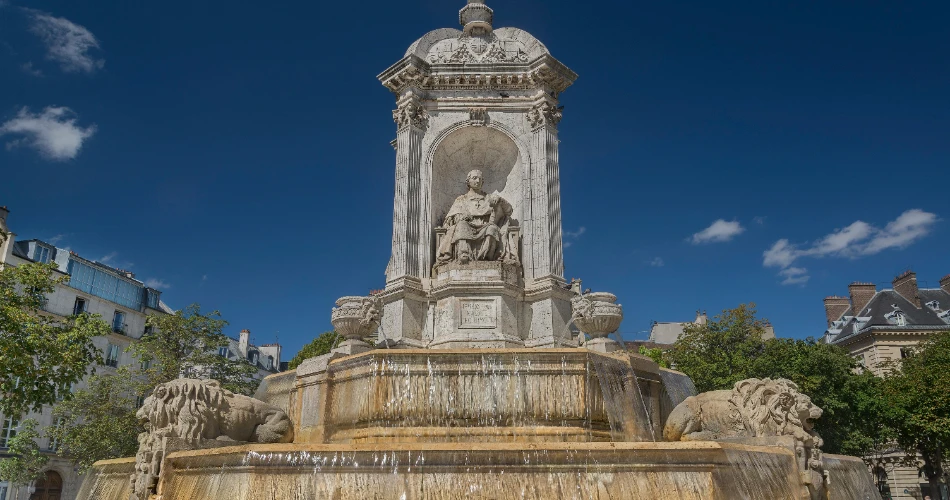
With its twin towers and Baroque-style architecture, the Saint-Sulpice Cathedral in Saint-Germain is the second-largest church after Notre Dame, enthralling tourists from around the world. It has been featured in popular media, such as The Da Vinci Code, and is currently the major cathedral while Notre Dame is being restored. Its beauty is enhanced by the Fontaine Saint-Sulpice, a magnificent 5-meter-tall limestone fountain right at the front. Locals eat lunch close by during the day, and the fountain's beauty gets tenfold by the lights in the evening, making it a must-see Parisian fountain.
Medici Fountain
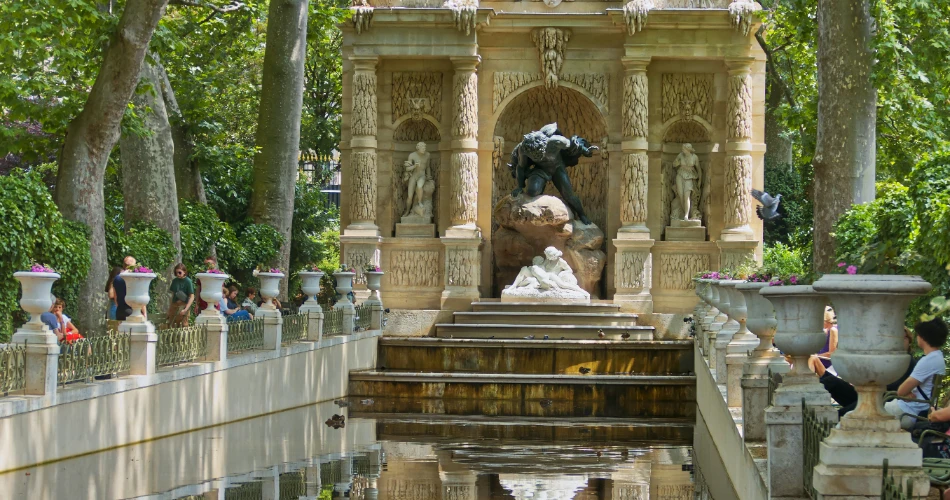
Constructed in 1630 and moved in the 1860s to its current location after some redesigning, the Medici Fountain is a magnificently decorated Romanesque fountain located in the Jardin du Luxembourg. With its elaborate sculptures and surreal visuals, it reflects its Italian ancestry quite well. This location is a historical Parisian treasure since behind it is the Fountain de Leda, a historic fountain that Napoleon built in the year 1809.
Fontaine des Quatre-Saison
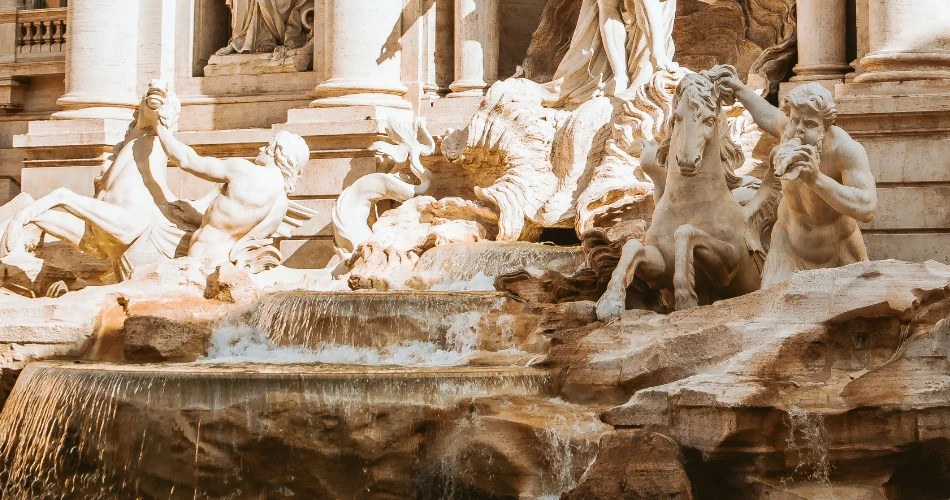
Also known as the four-season fountain, Fontaine des Quatre-Saison is sometimes overlooked because it resides along a small residential street that links Boulevard Raspail and Rue de Bac. It was formerly a crucial supply of water for the community, but now its hidden location detracts from its magnificence, which even irritated Voltaire. Although this fountain is beautiful, its placement keeps it from reaching the spectacular position and actual glory it deserves.
Warsaw Fountain
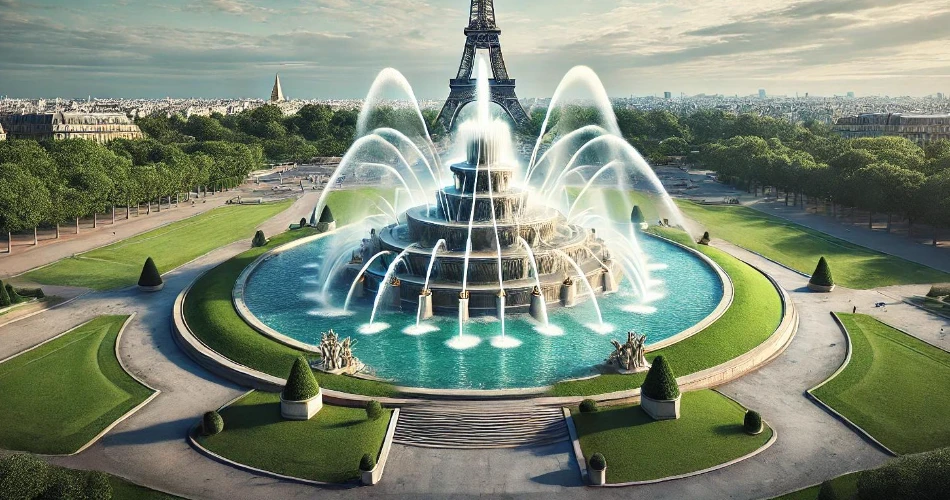
Warsaw Fountain was constructed in 1937 to commemorate the Universal Exhibition and is made up of multiple basins that flow into each other. The guns on either side can reach up to fifty meters in height, while the water jets can reach up to seven meters. At night the real magic occurs when the lighting and illuminations around the Trocadero make the event more magical.
Fontaine Béla-Bartók
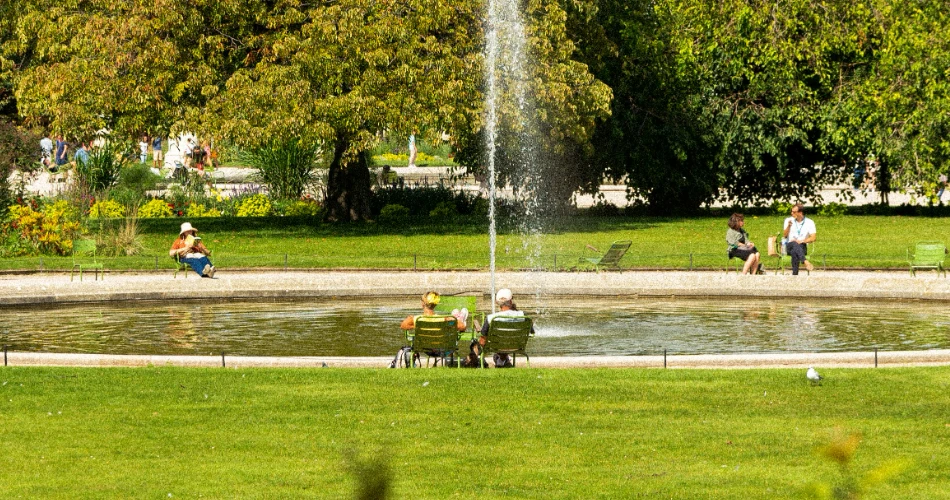
You can also call it the Crystal Fountain, The Bela Bartok Fountain in Paris was originally crafted in 1981 by Jean Yves Lechevallier. The fountain's sharp, clean lines visually capture the true harmony of Hungarian composer Béla Bartók’s talent. It is set against the backdrop of modern buildings in Béla Bartók Square and its striking, angular design seamlessly complements its surroundings.
Fontaine des Innocents
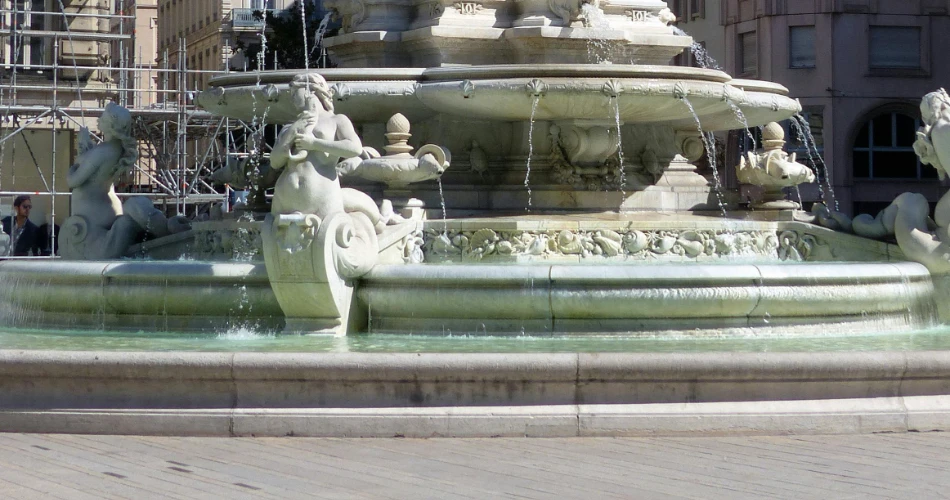
Found in the Halles area, Fontaine des Innocents is a magnificent example of French Renaissance architecture and one of the few remaining fountains from the Ancien Régime. It is the city's oldest major public fountain and was created in 1549 by a joined collaboration of sculptor Jean Goujon and architect Pierre Lescot to commemorate King Henry II's entry into Paris. It has water deities, which stand for protection, and is modeled after ancient Roman nymphaea. The fountain is surrounded by trees and provides a calm haven from the busy streets of Paris.
Fontaine du Palmier
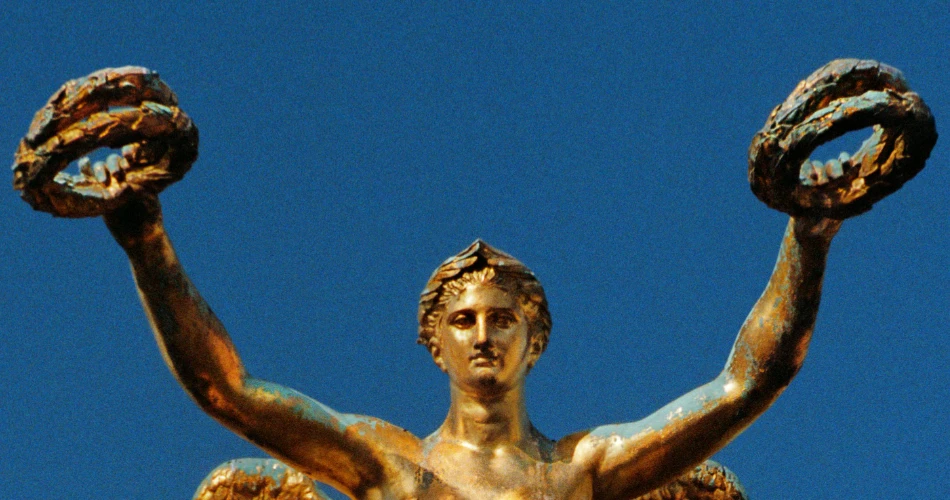
Originally constructed to provide the city with pure drinking water, the Fontaine du Palmier is a striking fountain and a historical monument in Paris. With four sculptures representing power, alertness, justice, and caution, and a central column covered with bronze bands commemorating Napoleon's triumphs. It stands 22 meters tall and is considered an architectural treasure. People also sometimes refer to it as the Fontaine du Chatelet or Fontaine de la Victoire, which honors Paris's rich history.